Understanding the Relevance of Reporting Foreign Inheritance to IRS for Tax Conformity
Steering the complexities of foreign inheritance needs a clear understanding of IRS reporting responsibilities. Lots of people underestimate the significance of properly reporting these possessions, which can cause unintentional consequences. Stopping working to comply with IRS guidelines may lead to lawful complications and large penalties. It is vital to realize the nuances bordering international inheritances to avoid risks. The adhering to sections will make clear critical elements of conformity and the possible risks included.

What Constitutes Foreign Inheritance?
When an individual receives possessions from a departed individual's estate situated beyond the USA, this transfer is considered a foreign inheritance. Foreign inheritances can include different kinds of properties such as realty, checking account, investments, personal belongings, and company rate of interests. The value and nature of these possessions might vary markedly depending on the legislations and custom-mades of the nation in which the estate is located.
Furthermore, the process of acquiring these possessions can entail steering via international lawful systems, which could enforce details requirements or taxes related to inheritance. The recipient may also come across obstacles in figuring out the reasonable market value of the inherited assets, especially if they are not familiar with the regional real estate or financial markets. Understanding what constitutes an international inheritance is essential for people to ensure compliance with both neighborhood laws and any kind of prospective responsibilities they may have in their home nation.
IRS Reporting Requirements for Foreign Inheritance
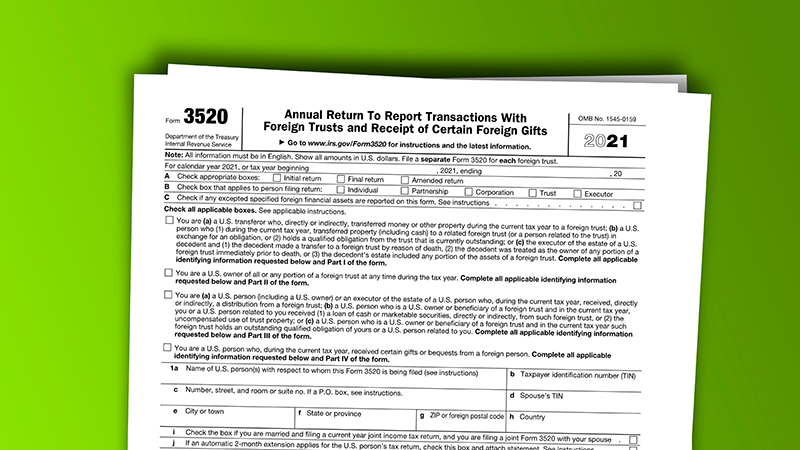
Just how does one guide through the IRS coverage demands for foreign inheritance? People who receive an inheritance from abroad has to understand particular reporting commitments to assure compliance with IRS laws. The Foreign Financial Institution and Financial Accounts Report (FBAR) is one essential demand; if the total worth of foreign accounts exceeds $10,000 at any moment during the year, it has to be reported. Furthermore, Form 3520 might be needed for reporting foreign gifts or inheritances over $100,000 from non-U.S. individuals. This form captures information regarding the inheritance, consisting of the source and amount. Stopping working to follow these coverage needs can lead to substantial fines. It is essential for receivers to keep thorough documents of the inheritance, consisting of any documentation from international entities. Consulting with a tax specialist experienced about worldwide tax regulations can offer further guidance in steering through these reporting obligations successfully.
Tax Effects of Receiving an Inheritance From Abroad
Receiving an inheritance from abroad can carry significant tax obligation ramifications for people, particularly as they browse the intricacies of global tax obligation regulations. The IRS calls for united state homeowners and residents to report international inheritances, which may set off numerous tax obligation obligations - Form 3520 foreign gift. Inheritances themselves are generally not considered taxed revenue, reporting is vital to avoid charges.
Additionally, the estate might undergo inheritance tax in the international country, which might impact the web worth received by the beneficiary. If the inheritance consists of international properties, such as property or investments, they may include unique tax considerations, consisting of potential resources gains taxes upon sale.
In addition, people may here are the findings require to adhere to foreign tax obligation regulations, which can differ substantially from united state laws. Comprehending these implications is vital for proper tax obligation conformity and to guarantee that all commitments are satisfied without incurring lawful problems or unnecessary expenses.
Common Blunders to Stay Clear Of When Coverage Inheritance

Steps to Ensure Conformity With IRS Regulations
Recognizing the actions required to guarantee compliance with IRS policies is crucial for any person reporting an international inheritance. Initially, people ought to validate check this site out whether the inheritance goes beyond the reporting threshold, which can trigger additional needs. Next off, it is essential to collect all appropriate paperwork, consisting of the will, depend on documents, and documents of the foreign estate's worth.
Submitting Form 3520, which particularly deals with foreign presents and inheritances, is important to educate the IRS of the inheritance. Individuals must likewise make certain that any type of appropriate tax obligations associated with the inheritance are paid, including prospective inheritance tax in the international jurisdiction.
Furthermore, maintaining accurate documents of all purchases and communications concerning the inheritance can give essential support in situation of an IRS questions. Looking for professional advice from Learn More a tax consultant acquainted with worldwide tax obligation laws can better boost compliance and minimize threats connected with reporting foreign inheritances.
Regularly Asked Concerns
What Takes place if I Fail to Report My International Inheritance?
Stopping working to report an international inheritance can result in considerable fines, passion on unpaid taxes, and potential lawful repercussions. The IRS may go after enforcement activities, making complex future monetary dealings and conformity responsibilities for the specific included.
Can I Subtract Costs Associated With Finding Foreign Inheritance?
No, costs associated with getting a foreign inheritance are generally not deductible for tax obligation purposes. Inheritance itself is commonly not thought about taxable earnings, and linked expenses can not be asserted to decrease tax responsibility.
Exist Charges for Late Reporting of Foreign Inheritance?
Yes, there are fines for late reporting of international inheritance to the IRS - reporting foreign inheritance to IRS. These can consist of penalties and rate of interest on unsettled taxes, making timely disclosure necessary for conformity and staying clear of additional financial worries
Exactly How Does Foreign Inheritance Impact My State Tax Obligations?
Foreign inheritance might influence state taxes in a different way depending on territory. Some states enforce inheritance or inheritance tax, while others do not. It is vital to speak with regional laws to establish certain tax obligation effects associated with international inheritance.

Are Gifts From Abroad Considered Foreign Inheritance for IRS Purposes?
Gifts from abroad are not identified as foreign inheritance for IRS purposes. penalties for not filing Form 3520. Instead, they are dealt with separately under present tax regulations, with different coverage demands and limits that individuals must follow for compliance
In addition, the process of acquiring these properties can include maneuvering via foreign legal systems, which might impose details demands or taxes associated to inheritance. The Internal revenue service calls for U.S. citizens and residents to report foreign inheritances, which might cause different tax obligation commitments. Sending Kind 3520, which specifically resolves international presents and inheritances, is vital to educate the IRS of the inheritance. Failing to report an international inheritance can lead to considerable fines, rate of interest on overdue tax obligations, and possible legal consequences. No, expenditures related to getting an international inheritance are normally not deductible for tax functions.